

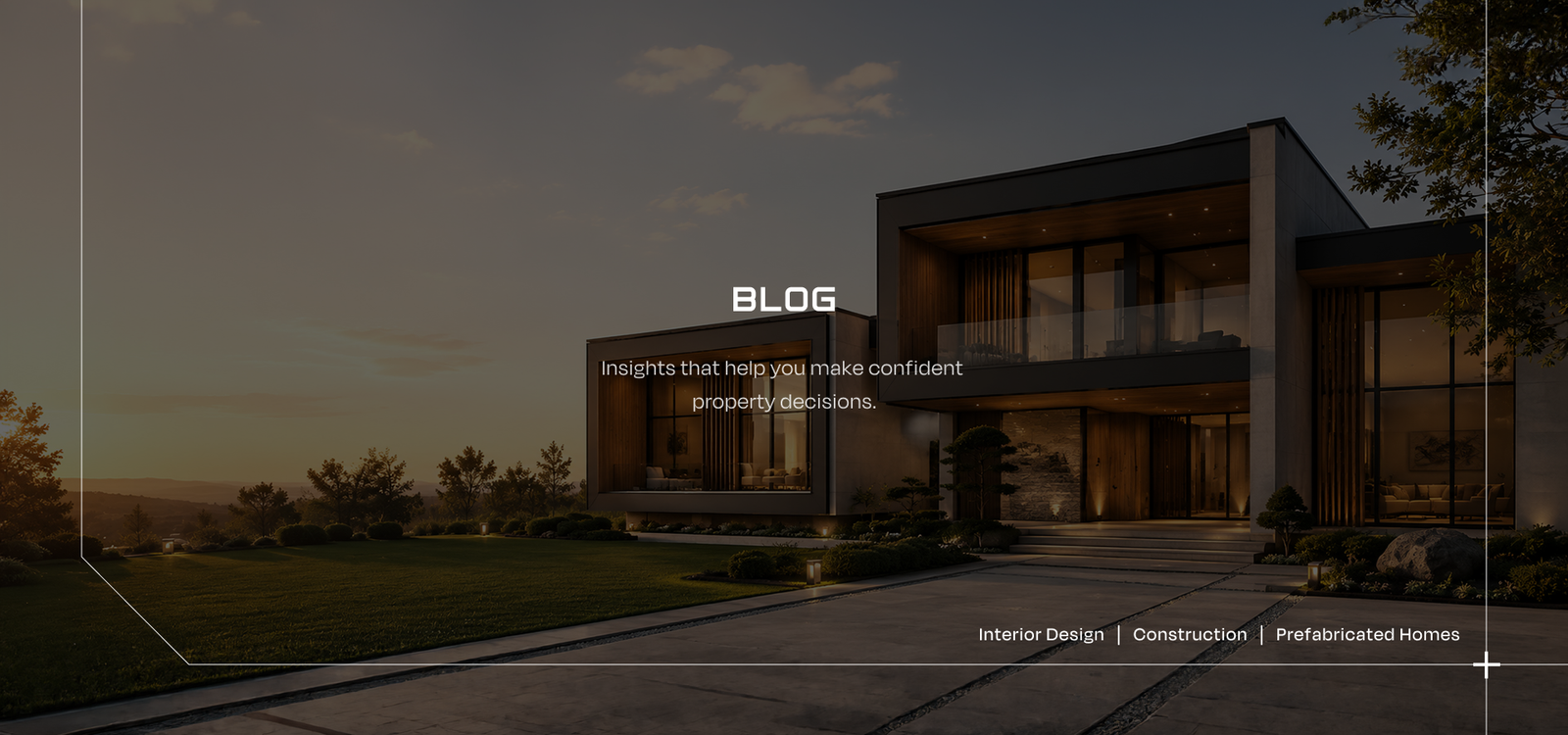
Why Prefabricated Architecture is the Future of Modern Construction
In today’s fast-moving world, people want buildings that are modern, durable, cost-effective, and completed in less time. This is where prefabricated architecture is changing the future of the construction industry. From residential homes to commercial spaces, prefabricated structures are becoming the preferred choice for smart and sustainable construction.
At The Space Box, innovative design meets advanced construction techniques to create modern spaces that are functional, aesthetically pleasing, and structurally strong.
What is Prefabricated Architecture?
Prefabricated architecture refers to building components that are manufactured off-site and later assembled at the construction location. Unlike traditional construction methods, prefabricated structures reduce construction time, minimize waste, and improve efficiency.
These structures are widely used for:
- Residential homes
- Office spaces
- Commercial buildings
- Modular cabins
- Industrial structures
- Smart urban projects
Benefits of Prefabricated Construction
1. Faster Construction Time
One of the biggest advantages of prefabricated construction is speed. Since components are manufactured in advance, the project completion time becomes significantly shorter compared to traditional construction.
2. Cost-Effective Solution
Prefabricated buildings reduce labor costs, material wastage, and unexpected construction expenses. This makes them an affordable option for both residential and commercial projects.
3. Sustainable & Eco-Friendly
Modern prefabricated architecture focuses on sustainability. Controlled manufacturing processes reduce waste and help in creating environmentally friendly structures.
4. High Structural Strength
With advanced structural engineering techniques, prefabricated buildings offer excellent durability and safety. Proper engineering ensures long-lasting and stable construction.
5. Flexible Interior Design Options
Prefabricated spaces are no longer limited to basic designs. Modern interior designing allows customized layouts, premium finishes, and stylish aesthetics that match client preferences.
Role of Interior Design in Modern Architecture
Interior design is not just about decoration; it creates functionality, comfort, and visual appeal. A well-designed interior improves space utilization and enhances the overall experience of living or working in that environment.
Modern interior design trends include:
- Minimalist layouts
- Smart storage solutions
- Natural lighting concepts
- Sustainable materials
- Open-space planning
- Modern modular furniture
Why Structural Engineering Matters
Strong structural engineering is the backbone of every successful construction project. It ensures the building can withstand environmental conditions, load pressure, and long-term usage.
Professional structural engineering helps in:
- Improving building safety
- Increasing durability
- Reducing maintenance costs
- Enhancing construction efficiency
- Supporting innovative architectural designs
The Future of Smart Construction
As urban development continues to grow, prefabricated architecture and smart construction techniques are becoming the future of the industry. Businesses and homeowners are now choosing faster, smarter, and more sustainable building solutions.
Companies like The Space Box are helping transform modern construction through innovative architecture, advanced engineering, and creative interior design solutions.
Conclusion
Prefabricated architecture is revolutionizing the construction industry with its speed, affordability, sustainability, and modern design possibilities. Combined with expert interior designing and strong structural engineering, it creates spaces that are practical, stylish, and future-ready.
Whether it’s a residential project, commercial space, or modular construction, modern building solutions are shaping the next generation of architecture and design.